
Selecting mountain metal roofing systems requires more than aesthetic consideration. High-altitude environments introduce snow accumulation, freeze-thaw cycling, wind uplift exposure, and intense UV radiation. Roofing systems in these regions must be engineered for sustained structural performance.
When evaluating mountain metal roofing systems, the primary concern should be load management.
Heavy snow loads exert repeated compression forces on panel geometry and fastening systems. Thermal cycling expands and contracts metal components daily. Wind uplift pressures increase at elevation. These conditions demand extreme weather metal roofing panels designed with structural depth and interlocking precision.
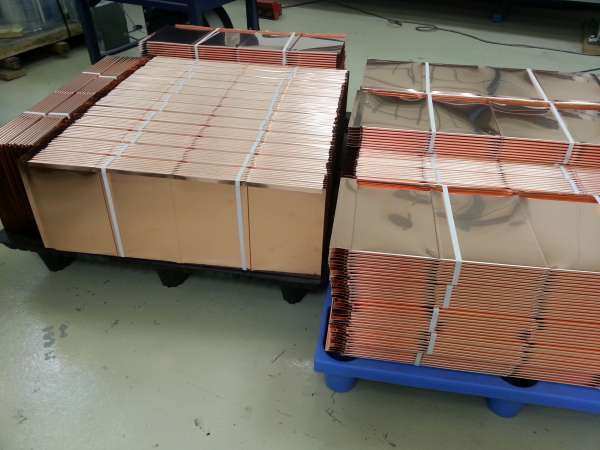
What Defines Engineered Mountain Metal Roofing Systems?
Not all metal shingle or modular systems are engineered equally. High-performance mountain metal roofing systems should provide:
- Interlocking geometry engineered for wind uplift resistance
- Structural depth capable of resisting snow-load deformation
- High-performance metals including zinc, copper, stainless steel, or advanced coated alloys
- Corrosion resistance suited to freeze-thaw and high UV exposure
- Manufacturer-backed technical specification support
High snow load metal roofing must maintain fastening integrity without distortion or progressive panel fatigue.
Spengler Industries manufactures precision-formed panel systems engineered specifically for severe mountain environments.
Learn more about our Quadro Panels here:
https://spenglerindustries.com/products/quadro-panels/
High Snow Load Metal Roofing Performance
Mountain structures frequently experience significant snow retention, especially on complex rooflines. Properly engineered mountain metal roofing systems must accommodate:
- Snow guard integration
- Snow retention compatibility
- Ice dam management
- Thermal expansion cycles
- Long-term structural continuity
Extreme weather metal roofing panels that lack sufficient structural depth can deform under sustained snow compression.
Spengler Industries develops engineered metal shingle systems designed for permanent performance in high-snow regions.
Explore our severe climate roofing approach here:
https://spenglerindustries.com/roofing-severe-weather/
For structural load standards and snow load guidance, consult the International Code Council:
https://www.iccsafe.org/
Long-Term Performance in Mountain Environments
When selecting mountain metal roofing systems, evaluate engineering discipline, material capability, and manufacturer stability.
Ask:
- Is the system engineered for documented snow and wind load performance?
- Are materials appropriate for high UV and freeze-thaw exposure?
- Does the manufacturer provide detailed technical support?
- Is the system designed for decades of structural reliability?
Spengler Industries manufactures extreme weather metal roofing panels built for permanence in demanding mountain climates.
For engineered mountain metal roofing systems and project guidance, call 801-462-5264.
American Society of Civil Engineers (ASCE 7 Snow Load Standards)
https://www.asce.org/