
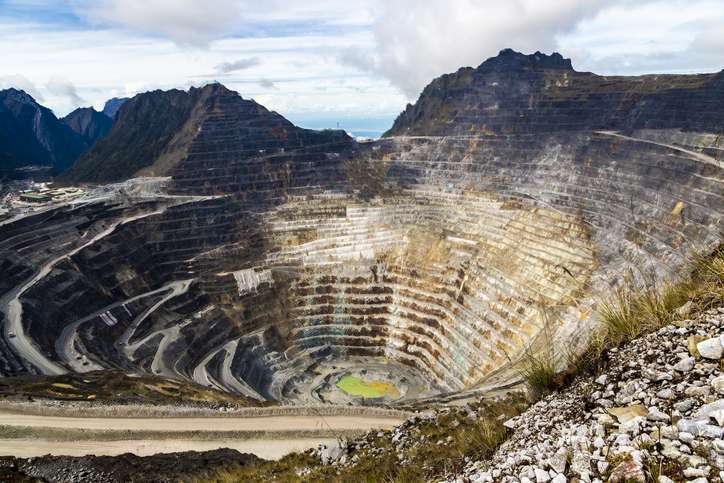
Copper supply chain disruption has become headline news. In early September 2025, a deadly mudslide struck the Grasberg copper mine in West Papua, Indonesia. Grasberg is one of the world’s largest copper producers, responsible for roughly 4 percent of global copper supply. When operations halted, copper prices surged to near record highs.
The event was tragic for those on site. It also showed how fragile the copper supply chain has become, and how that fragility ripples through every industry that depends on copper, from electrical infrastructure to high-performance building envelopes.
Read more:
https://www.reuters.com/business/lme-copper-hits-11000-ton-first-time-since-may-2024-2025-10-09
https://www.reuters.com/world/asia-pacific/goldman-sachs-downgrades-copper-supply-forecast-after-grasberg-mine-disruption-2025-09-25
https://www.reuters.com/business/slower-production-growth-will-push-copper-market-deficit-2026-says-icsg-2025-10-08
A Fragile Copper Supply Chain
This is not an isolated failure. Other mines have reported flooding, labor strikes, and seismic events this year. Ore grades are declining worldwide, meaning more rock must be processed per ton of copper. Processing requires energy, water, and chemical inputs that are also under pressure.
Tariffs and trade restrictions add another layer of strain. Import duties and local sourcing rules magnify cost swings when copper supply tightens. Policies designed to protect domestic production can have the opposite effect under global shortages.
Copper, once viewed as abundant, is now a strategic material. Governments are moving to secure resources, expand refining capacity, and promote recycling. Every link in the copper supply chain is being tested.
The Connection Between Tariffs, Supply Chains, and Building Materials
Tariffs and shipping constraints affect how copper moves through the global supply chain. Builders and manufacturers see these effects in price spikes, delivery delays, and unpredictable quotes.
For architectural metals, that means:
- Price volatility in flashing, gutters, and cladding components
- Lead time uncertainty when mills slow or pause production
- Rising transportation costs that amplify total installed cost
At Spengler Industries, we track these changes daily. We know that a stable copper supply chain means more predictable construction schedules and client confidence.
How Spengler Industries Stays Ahead
Spengler Industries maintains long-term relationships with certified European and North American mills. We hold critical copper and zinc inventories to buffer short-term disruptions. Our manufacturing process meets the highest standards for quality, traceability, and sustainability.
While global markets fluctuate, our clients can rely on stability. Every roof and façade we produce reflects a commitment to permanence, accountability, and precision craftsmanship.
Learn more about our materials and sustainability standards:
https://www.spenglerindustries.com/sustainability
Related Reading
Copper price hits 11,000 USD per ton:
https://www.reuters.com/business/lme-copper-hits-11000-ton-first-time-since-may-2024-2025-10-09
Grasberg mine disruption:
https://www.reuters.com/world/asia-pacific/goldman-sachs-downgrades-copper-supply-forecast-after-grasberg-mine-disruption-2025-09-25
Global copper deficit forecast from ICSG:
https://www.reuters.com/business/slower-production-growth-will-push-copper-market-deficit-2026-says-icsg-2025-10-08
Reach out today and let us help you navigate the stormy seas of metal roofing and building envelope. We’re here to help!
Call us today! 801-462-5264