
A well designed, well installed Galvalume roof can last as long as the building under it. The best field study on record, from the Metal Construction Association, projected a service life of more than 60 years for unpainted Galvalume roofs across a wide range of American climates.
That is a study of particular roofs, and no study is a promise. What decides the life of your Galvalume roof is where it stands, what touches it and how well it was put together. Here is how each of those works.
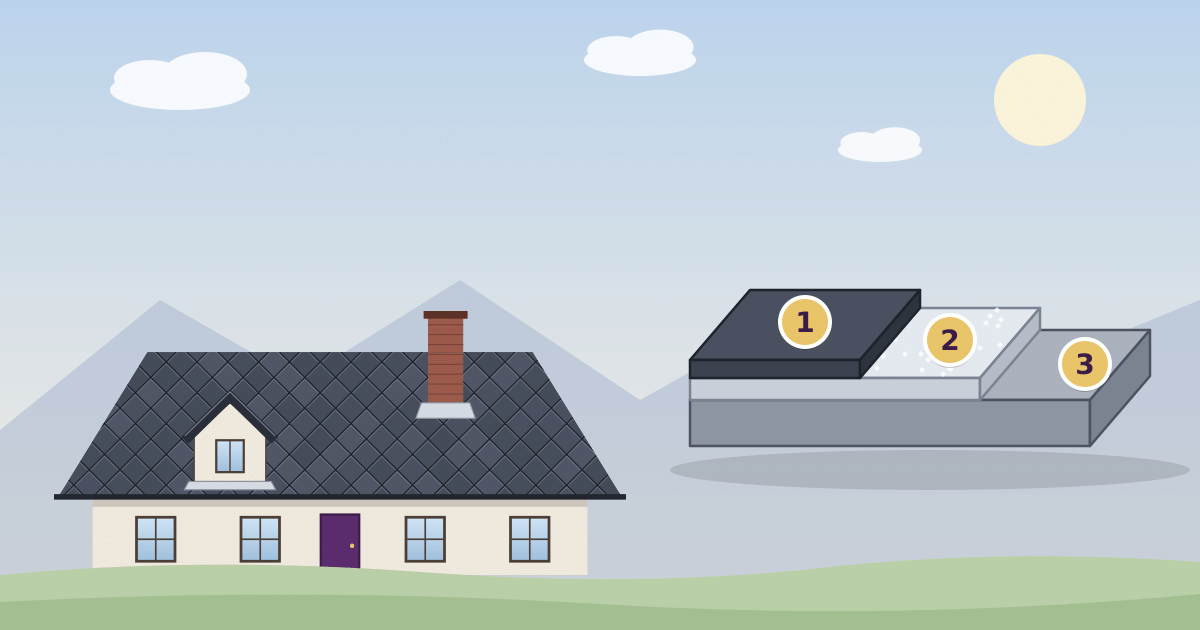
What a Galvalume roof is made of
Galvalume is sheet steel with a coating of aluminum and zinc, a little more than half of it aluminum. Each metal has a job:
- The steel gives the roof its strength.
- The aluminum forms a tough barrier against the weather.
- The zinc protects the steel at scratches and cut edges, where bare metal would otherwise be exposed.
The name sounds industrial, and people sometimes take it for a budget material. It is the opposite. The coating was developed to outlast plain galvanized steel, and it is widely used under quality painted steel roofing for that reason.
What shortens the life of a Galvalume roof
Most early failures trace back to one of these:
- Salt air. Coated steel close to the ocean does not reach the lifespans it reaches inland. That is why we make a marine grade and recommend it within 1,500 feet of salt water.
- Copper and lead. Water that runs off copper pipes, air conditioner coils, copper flashings or lead flashings attacks the coating. Keep both metals away from the roof and out of the water path.
- Treated lumber. Many wood preservatives contain copper. Metal should never sit directly on treated wood without a barrier between them.
- Wet concrete, mortar and masonry cleaners. Fresh cement and acid cleaners both damage the coating.
- Trapped debris. Leaves packed into a valley keep the metal wet for months. Metal that can dry lasts far longer.
- Careless installation. The wrong fasteners, or steel filings left on the roof after cutting, start rust that the roof itself never would have.
What makes a Galvalume roof last
- A painted finish. Paint adds another layer between the weather and the metal, along with the color.
- The right grade for the site. Standard grade inland, marine grade near the coast.
- A design that sheds water. Interlocking shingles on a proper slope leave water nowhere to sit.
- Compatible parts. Fasteners, flashings and snow hooks made of metals that get along with the roof.
- A little attention. Clear the valleys and gutters, and look the roof over after a big storm.
The system matters as much as the metal
One finding from the field study deserves more attention than it gets. The metal itself was rarely what set the limit. The parts around it, sealants above all, decided when a roof would need work.
That matches what we see. A Galvalume roof almost never wears out in the middle of a shingle. It fails at a badly made valley, a flashing that was bent on site from scrap, or a fastener that was never meant for the job.
So the question to ask is less “how long does the metal last” and more “who made the details.” Our diamond metal shingles are made as a complete system, with flashings and accessories fabricated to fit the building. Contact Spengler Industries with your plans, or see finished roofs in our metal shingle gallery.
Frequently asked questions
Does a Galvalume roof rust?
Any steel can rust in the end. The aluminum and zinc coating delays it for a very long time, and the zinc protects cut edges and scratches.
Is Galvalume better than galvanized steel?
For roofing in most climates, yes. The aluminum in the coating generally gives it a longer life than a plain zinc coating.
Can a Galvalume roof be used near the ocean?
Yes, with the right grade. We recommend marine grade within 1,500 feet of salt water.
Does a painted Galvalume roof last longer than an unpainted one?
Paint adds a layer of protection over the coating. The finish will show its age long before the metal beneath it does.